Business Name: Elite Sanitation Services
Address: Saucier, MS 39574
Phone: (228) 297-4850
Elite Sanitation Services
Since 2016, Elite Sanitation Services has been the premier provider for all your sanitation needs. We deliver comprehensive solutions. Our expert team ensures seamless service for events and construction sites, handling everything from septic system services to grease trap pump-outs and jetting services. We are dedicated to providing superior sanitation services with unmatched reliability and professionalism.
Saucier, MS 39574
Business Hours
Monday through Sunday: Open 24 hours
Facebook: https://www.facebook.com/petrosepticinspections/
I have actually stood in enough muddy backyards with a lever and a worried homeowner to understand two facts about septic systems. Initially, a well‑cared‑for system vanishes into the background of your life and just works. Second, when maintenance gets avoided, you can smell the error before you see it. The good news is you do not need a premium agreement or fancy gadgetry to keep your system healthy. You need a practical strategy, a consistent schedule, and a provider who treats your home like their own.
This guide strolls through how to develop a practical, budget friendly septic system maintenance strategy, what to expect from reputable pros, and how to avoid the most expensive pitfalls. I will share ballpark numbers, trade‑offs, and the little options that make the greatest distinction to cost and longevity.
How a basic system lasts decades
A conventional septic tank has two tasks. The tank holds wastewater long enough for solids to settle and scum to drift, then partly clarified effluent circulations to a drainfield where soil completes the treatment. A lot of early failures I see trace back to predictable sources: too many solids leaving the tank, too much water overwhelming the drainfield, or overlooked parts like outlet baffles and filters.
An upkeep strategy is not an expensive add‑on. It is a rhythm. Assessments, septic system pumping on schedule, fundamental septic tank cleaning when needed, and a few wise upgrades turn emergency situations into routine chores.
What "pumping," "emptying," and "cleaning" in fact mean
People usage these terms interchangeably. Pros should not.
Pumping or septic system emptying refers to eliminating the liquid and solids with a vacuum truck. Cleaning up methods upseting and washing the tank to break up stubborn sludge and scum so it can be totally removed. If a tank has thick, crusty layers or proof of carryover into the drainfield, a proper septic system cleaning matters. On a regular schedule with healthy germs and sensible use, pumping alone typically suffices.
I ask teams to determine the sludge and scum before and after. A fast core sample tells the story. If total solids surpass about a third of the tank's volume, you are past due. If a tank has baffles, tees, or an effluent filter clogged with paper and grease, partial or hurried pumping can leave the worst behind. A great company takes the extra 15 minutes to complete the job.
The real expenses, with daily variables
In most areas, regular sewage-disposal tank pumping for a common 1,000 to 1,500 gallon tank runs 250 to 600 dollars, depending upon access, distance to disposal websites, local charges, and for how long since the last service. Cleaning up or additional labor for tough crusts, digging up buried lids, and heavy pipe pulls can add 50 to a few hundred dollars.
Frequency is not a guess. It depends on:
- Household size and water usage. A family of five puts more solids and circulation into the tank than a couple that takes a trip often. Tank size. Bigger tanks provide you more buffer between pumpings. Garbage disposal practices. Grinding food can cut the period in half. If you should utilize it, pump more often. Laundry patterns and high‑efficiency components. More recent front‑load washers and low‑flow toilets can stretch the interval by months or years. Special parts. Effluent filters catch solids however need periodic rinsing. Aeration units and pump chambers have their own service needs.
Most healthy, traditional systems land in a 2 to 5 year pumping range. 3 years is a safe beginning point for a typical family of four with a 1,000 gallon tank and very little waste disposal unit use. If you have a 1,500 gallon tank and a two‑person household, 5 years is realistic, offered you monitor and the effluent filter is kept clear.
A small story about a huge costs that never happened
A customer bought a home with a 1,250 gallon concrete tank and a rectangular drainfield that dated to the late 1990s. The previous owner had pumped "whenever it backed up," which translated to as soon as in seven years. We arranged evaluation, set up risers to bring the lids to grade, and set a three‑year tip. On year 3, solids determined at a quarter of the tank, so we pushed to a four‑year cycle. On year eight, we included an effluent filter and swapped a 1990s top‑loader washer for a water‑miser front‑loader. That small mix of changes cost under 600 dollars overall and avoided a 12,000 dollar drainfield replacement that would have been nearly guaranteed under the old habits.
The point is not excellence. It is feedback. Measure, adjust, and hold a steady course.
What a practical, budget-friendly strategy looks like
Start by documenting what you have. Tank size, product, gain access to points, baffles or tees, effluent filter, presence of a pump chamber or aerator, and layout of the drainfield. If you can not discover the tank, a service provider can penetrate or utilize a cam and locator. Pay once to expose and after that add risers so covers sit at or near the surface area. That single upgrade shaves labor fees each time and makes mid‑cycle assessments practical without a shovel.
Next, choose a service cadence lined up with your risk tolerance. If you hate surprises, set a conservative interval, then extend it just if metrics remain healthy. If budget plan is tight, lower the solids you send to the tank with behavior changes, not simply calendar modifications. I have seen households stretch periods by a year merely by capturing grease in a can, spacing laundry, and ditching flushable wipes. Spoiler: they are not flushable.
Finally, ask your provider to itemize what their check outs consist of. The following core aspects signal a well‑designed upkeep strategy that stabilizes cost and thoroughness.
- Scheduled pumping with determined sludge and scum, plus composed records Effluent filter service and outlet baffle examination, with photos Visual check of drainfield health and dosing (if suitable), noting any seepage or odors Lid, riser, and seal condition check to keep groundwater out and gases managed Clear rates for dig charges, pipe length, and after‑hours calls so there are no surprises
Smart upgrades that spend for themselves
Risers and lids to grade. If you invest 250 dollars to bring 2 lids to the surface, you will save that amount within one to 2 services by avoiding dig fees and extra time. You also make fast checks painless. I advise gas‑tight covers if the tank sits near living areas or an outdoor patio, and protected fasteners if kids have lawn access.
Effluent filter. A 75 to 150 dollar filter on the outlet side can obstruct fine solids that would otherwise drift toward your drainfield. It needs a rinse every 6 to 18 months depending upon use. Think of it as a heating system filter, not a one‑time install.
High water alarm on pump chambers. For systems with a pump station, a basic audible alarm that journeys when the water increases too expensive can save a flooded lawn and a charred pump. Not fancy, simply functional.
Water sensible components. Toilets made after 2010 use about 1.28 gallons per flush. Replacing two older 3.5 gallon toilets can cut everyday flow by 60 to 80 gallons in a busy home. Less flow indicates better separation in the tank and a happier drainfield.
Baffle repairs. If inlet or outlet baffles are missing or crumbling, change them. A missing outlet baffle is like eliminating the screen door on your house. It will work for a while, then you get visitors you did not want.
Subscription strategies versus pay‑as‑you‑go
Different service providers package services in various methods. You do not have to go after a low monthly price to conserve cash. What matters is worth over your cycle.
- Pay as‑you‑go works well if you keep good records, prefer control, and are comfy scheduling reminders. Annual assessment strategies add a little charge however can catch early concerns like a loose baffle or filter obstruction before they become expensive. Neighborhood or seasonal promos can drop pumping expenses by 10 to 20 percent if numerous homes reserve the exact same day. Bundled service for homes with pump stations or aerators often pencils out, considering that those components require routine checks anyway. Price lock contracts can shield you from disposal charge walkings, but read the small print on tube length, lid direct exposure, and after‑hours rates.
Behavior between check outs matters more than you think
The most affordable maintenance relocation is what you keep out of the tank. Cooking area grease, wipes, floss, and cotton items create mats that do not break down. Food mills send a parade of small particles that float and smear the outlet baffle. Hosting a huge crowd for a weekend? Spread laundry out over several days before visitors show up and after they leave. If your system has a filter, set a suggestion to rinse it before holiday gatherings.
If you have a water softener, path the salt water discharge to code‑approved areas. In some soils and systems, high sodium can affect the soil's structure in the drainfield. Local rules differ. A supplier who understands your location will have a viewpoint grounded in your soil type and state code.
What professionals actually do on site
When I show up, I locate and expose covers if needed, then open the tank and determine the scum and sludge with a clear tube or a connected pole and plate. I check inlet and outlet baffles or tees. If there is an effluent filter, I pull and wash it into the tank so solids are removed by the truck, not sprayed onto your lawn.
During pumping, I upset the contents with the suction pipe to separate islands of scum. If the tank has compartments, I pump both. A fast rinse along the walls helps dislodge crust, but I prevent power‑washing concrete for extended periods, which can rough up the surface area. I prevent including chemicals. They either do nothing beneficial or they short‑term liquefy sludge that belongs in the truck, not your drainfield.
Before closing, I verify the outlet tee or baffle is secure, replace the filter, check that lids seal tight, and take a photo of the within condition. Lastly, I keep in mind any signs of problem in the drainfield area: lavish streaks of green in dry weather, smells, or wet spots.
You should expect a short summary of findings with solids measurements and a recommended period for the next service. That single page, kept with your home records, is worth a thousand guesses.
Finding a company who conserves you money, not just empties a tank
Ask how they identify pumping periods. If the response is a fixed number without reference to your home size, tank volume, and filter type, keep looking. A great tech will talk you through alternatives, not dictate a one‑size schedule.
Ask where they get rid of waste. Trusted business use permitted centers and can show manifests. Unlawful disposing harms everybody and puts you at risk.
Check insurance coverage and licensing. Numerous states or counties need pumper licenses. Even where they do not, you want evidence of liability insurance coverage and workers' comp if a team member gets hurt on your property.
Request line‑item quotes for digging, hose pipe length, and emergency calls. Some clothing advertise a low pump price and after that stack on bonus. Openness is a trust test.
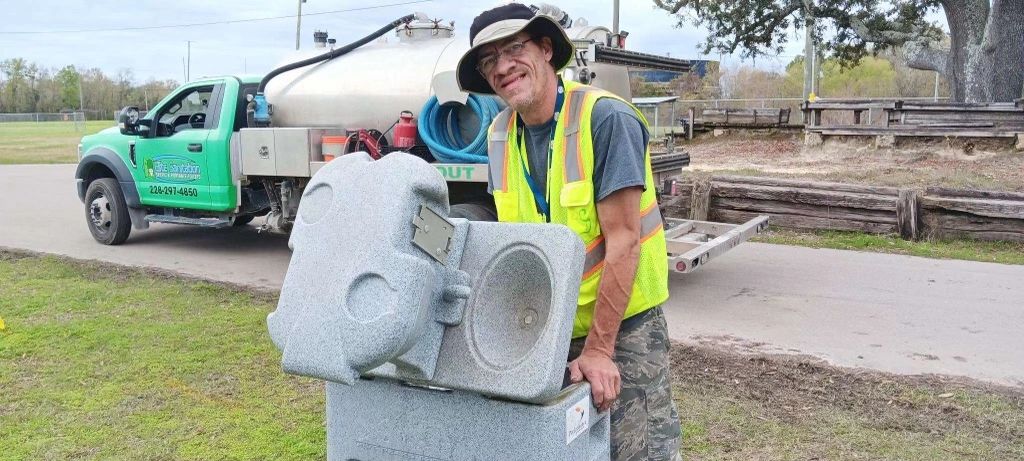
Pay attention to the truck and tools. A neat rig, clean tubes, appropriate covers and risers in stock, and a tech who wipes their boots before stepping on your patio area are little signs of regard that generally correlate with good work.
Edge cases worth planning around
Older steel tanks. If you have one, expect rust. Probe carefully around the covers before stepping near them. Numerous jurisdictions need replacement when holes appear or baffles fail. Spending plan for a changeout rather than sinking cash into a stopping working vessel.
Plastic or fiberglass tanks. They can flex and drift if groundwater rises. Make sure lids are secured and risers are well supported. Avoid driving heavy devices over them.
High water table or seasonal saturation. If your property gets soggy each spring, a timed dosing system or pressure circulation might remain in play. These systems require pump checks and alarm confirmation. Do not decrease service on an inkling. Timers and drifts fail in peaceful ways.
Aerobic treatment systems. They deliver more oxygen to bacteria, breaking down waste quicker, however they need more frequent service. Expect quarterly or semiannual checks of the blower, diffusers, and sludge levels. Avoiding service on an ATU can produce odors that make neighbors cranky.
Additions and ended up basements. Ending up a basement usually includes a bedroom in the eyes Jetting Services of many codes, which changes the presumed circulation to the septic. If you add bedrooms or a big soaking tub, prepare for increased pumping frequency, and validate your drainfield can deal with the load.
Troubleshooting without panic
Gurgling drains pipes, slow toilets, or a faint odor outdoors do not constantly suggest the drainfield is gone. Inspect the easy things initially. If your system has an effluent filter, it might be obstructed and crying for a rinse. Heavy rains can fill the field for a few days. Stagger water use and await soils to drain. If the alarm sounds on a pump tank, cut power to the pump, minimize water use, and call. Running a dry pump can turn a 200 dollar float replacement into a 1,200 dollar pump swap.
If wastewater supports into a basement or tub, stop water use and get a pro on website. A quick snake from the cleanout can confirm whether the clog remains in your home line or the septic line. Do not open the tank and start poking around without understanding what you are looking at. Gases inside the tank are hazardous.
The peaceful value of records
I like neat binders, but a folder in a kitchen drawer works fine. Keep the as‑built sketch if you have one, pump dates and solids measurements, filter service notes, and any upgrades. When you offer the house, those records tell a buyer the system is a cared‑for possession, not a mystery. When you require service, offering a dispatcher your tank size and lid places can shave time and cost.
If you have no records yet, start with this cycle. Ask your provider to measure, photograph, and mark the cover areas in a brief sketch with ranges from repaired points like a corner of your home or a fence post.
Where cash hides in plain sight
I have actually seen homeowners pay an extra 150 dollars per see for dig‑ups that a pair of covers to grade would have removed. I have actually watched folks with precise calendars ignore a missing outlet baffle and then pay 20 times more to rehab a soaked field. I have also seen a 10 minute filter rinse avoid a vacation backup that would have ended a birthday party at twelve noon. The pattern corresponds. Invest a little on access and monitoring, and invest a little attention on what goes down your drains. Your wallet will notice.
A simple, budget‑friendly checklist you can follow
- Set a standard pumping interval of 3 years for a 1,000 to 1,250 gallon tank with a household of four, then change using determined solids Install risers and covers to grade at the next service to avoid future dig fees Add an effluent filter and schedule a rinse every 6 to 18 months, timed to home use Space laundry through the week, avoid flushable wipes, and capture kitchen grease in a can Keep a one‑page record of each see with dates, solids levels, and any repairs
What to skip, even if it sounds helpful
Miracle additives. If an item claims to dissolve sludge, that sludge goes someplace. If it reaches the drainfield, you traded one problem for another. Your tank already has the bacteria it needs, presuming you are not bleaching the system daily.
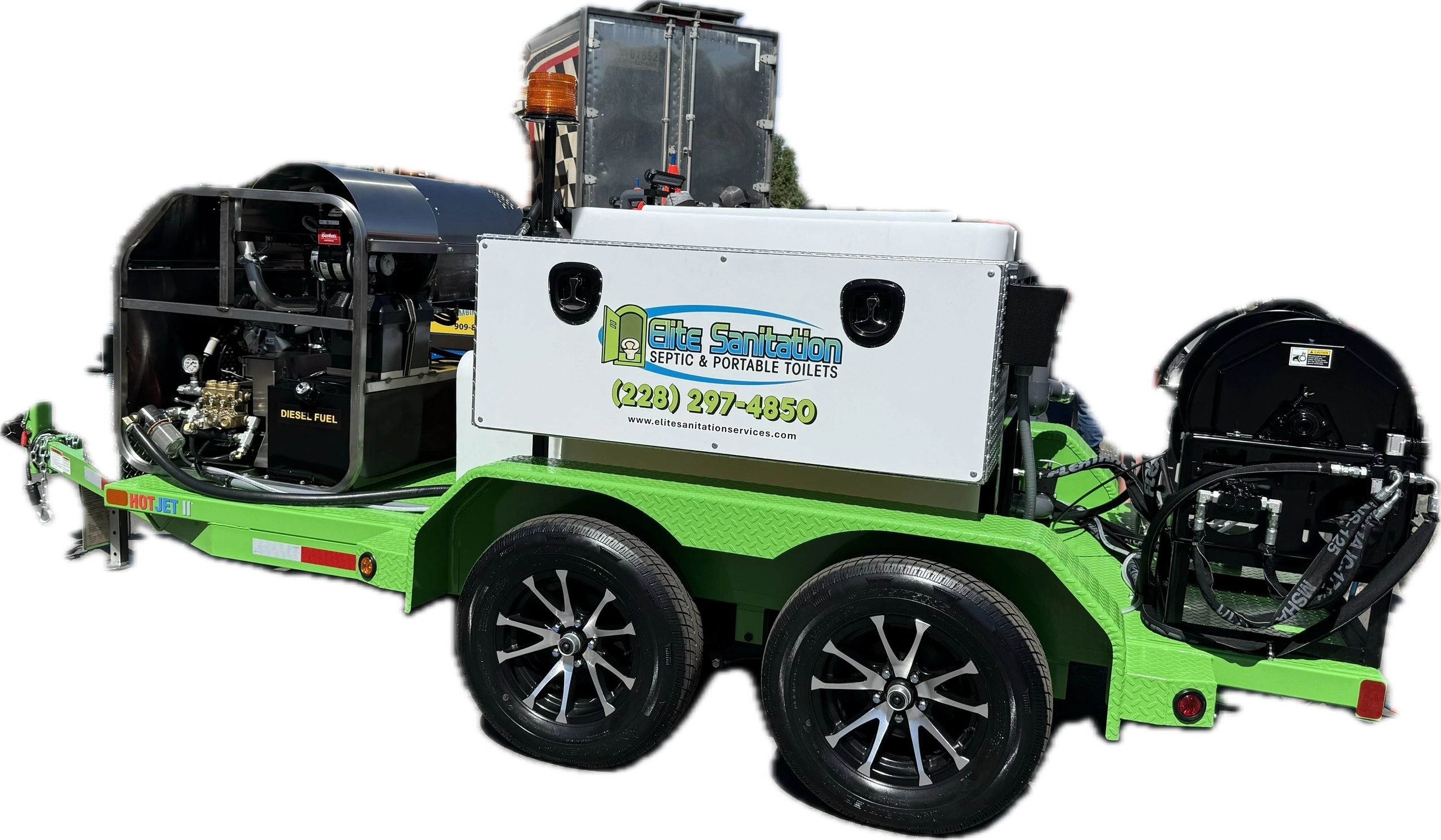
Routine "line jetting" to the drainfield. High pressure water in lateral lines can redistribute fines and break biofilm in manner ins which help briefly and harm long term. Jetting has its place for particular blockages, not as routine maintenance.
Driving or parking over the tank or field. Even a couple of passes with a heavy pickup in wet weather condition can compact soil and fracture parts. Mark the area on a basic sketch and treat it like a no‑go zone.
Building your plan this week
If you have not pumped in more than four years, call to schedule. When the truck is booked, demand risers to grade and request pre and post‑service solids measurements. Talk with the tech about your family size, tank volume, and utilize patterns. Choose together whether your next cycle ought to be 2, 3, or four years, then set a calendar tip and stick the service record in a safe spot.
If you did pump within the previous 2 years and have a filter, set a tip to inspect and rinse it before your next family gathering. If you do not know whether you have a filter, ask the last supplier or peek under the outlet cover with a flashlight. The filter sits in a tee at the outlet and pulls out by hand. If you are unsure, await a pro to show you, then you can manage future rinses confidently.
If your system consists of a pump chamber or aeration unit, write down the make and design, and schedule a brief service check. Those elements extend what your soil can manage, but they pay back attention with less surprises.
The pledge of a calm, economical routine
Septic systems reward persistence and rhythm, not drama. Cost effective sewage-disposal tank maintenance mixes measured septic system pumping, targeted sewage-disposal tank cleaning when conditions require it, and steady practices that lighten the load on your drainfield. You do not need a gold‑plated agreement to get there. You need clarity about your system, a supplier who determines and explains, and a short list of actions that repeat year after year.
The finest compliment I hear is tiring. "We hardly consider it anymore." That is the win. Peaceful facilities, a tidy yard, and money left in your pocket for the fun parts of homeownership.
Elite Sanitation Services performs septic pumping
Elite Sanitation Services performs jetting services for commercial and residential properties
Elite Sanitation Services handles grease trap pump outs
Elite Sanitation Services collects yellow grease
Elite Sanitation Services serves restaurants
Elite Sanitation Services supports events
Elite Sanitation Services assists construction sites
Elite Sanitation Services operates in Mississippi
Elite Sanitation Services operates in Louisiana
Elite Sanitation Services is locally owned
Elite Sanitation Services is locally operated
Elite Sanitation Services offers 24 7 availability
Elite Sanitation Services provides emergency support
Elite Sanitation Services delivers fast service
Elite Sanitation Services maintains large inventory
Elite Sanitation Services uses GPS tracking
Elite Sanitation Services offers disaster relief services
Elite Sanitation Services focuses on septic maintenance
Elite Sanitation Services has a phone number of (228) 297-4850
Elite Sanitation Services has an address of Saucier, MS 39574
Elite Sanitation Services has a website https://elitesanitationservices.com/
Elite Sanitation Services has Google Maps listing https://maps.app.goo.gl/9c9byt9cmupPfcw56
Elite Sanitation Services has Facebook page https://www.facebook.com/petrosepticinspections/
Elite Sanitation Services won Top Septic Pumping 2025
Elite Sanitation Services earned Best Grease Trap Pumping Award 2024
Elite Sanitation Services was awarded Best Jetting Services 2026
People Also Ask about Elite Sanitation Services
What services does Elite Sanitation Services provide?
Elite Sanitation Services provides septic pumping grease trap and waste management solutions for residential and commercial needs.
Where does Elite Sanitation Services operate?
Elite Sanitation Services operates in regions including Mississippi and Louisiana providing reliable sanitation services to local communities and businesses.
Does Elite Sanitation Services handle septic tank pumping?
Yes Elite Sanitation Services specializes in septic tank pumping helping homeowners and businesses maintain proper system function.
Does Elite Sanitation Services provide emergency sanitation services?
Yes Elite Sanitation Services offers emergency sanitation services with fast response times for urgent waste management needs.
What industries does Elite Sanitation Services serve?
Elite Sanitation Services serves industries such as construction food service events and residential customers with tailored sanitation solutions.
Does Elite Sanitation Services clean grease traps?
Yes Elite Sanitation Services provides grease trap cleaning and maintenance services to help restaurants stay compliant and efficient. Including jetting services.
Is Elite Sanitation Services locally owned?
Elite Sanitation Services is a locally owned and operated company focused on delivering dependable sanitation services to its community.
What are jetting services offered by Elite Sanitation Services?
Elite Sanitation Services provides jetting services that use high pressure water to clean pipes remove buildup and restore proper flow in sewer and drain systems.
When should I use Elite Sanitation Services for jetting services?
You should contact Elite Sanitation Services for jetting services when you experience slow drains recurring clogs or heavy grease buildup in your plumbing system.
Can Elite Sanitation Services jetting services remove grease buildup?
Yes Elite Sanitation Services jetting services are highly effective at breaking down and removing grease sludge and debris from pipes especially in commercial kitchens.
Are Elite Sanitation Services jetting services safe for pipes?
Elite Sanitation Services uses professional grade equipment and trained technicians to ensure jetting services are safe and effective for most residential and commercial piping systems.
Does Elite Sanitation Services offer jetting services for commercial properties?
Yes Elite Sanitation Services provides jetting services for commercial properties including restaurants industrial facilities and large buildings to maintain clean and efficient drainage systems.
Where is Elite Sanitation Services located?
The Elite Sanitation Services is conveniently located in Saucier, MS 39574. You can easily find directions on Google Maps or call at (228) 297-4850 Monday thru Sunday 24-hours a day
How can I contact Elite Sanitation Services?
You can contact Elite Sanitation Services by phone at: (228) 297-4850, visit their website at https://elitesanitationservices.com/ or connect on social media via Facebook
After a day at Airey Lake Recreation Area in the De Soto National Forest many visitors and crews schedule Septic Pumping Grease Trap Pumping Jetting Services and Portable Toilet Rental for campsites gatherings and work zones nearby.